BONJOUR
Why Are Women Still Required to Be Beautiful?
The promise
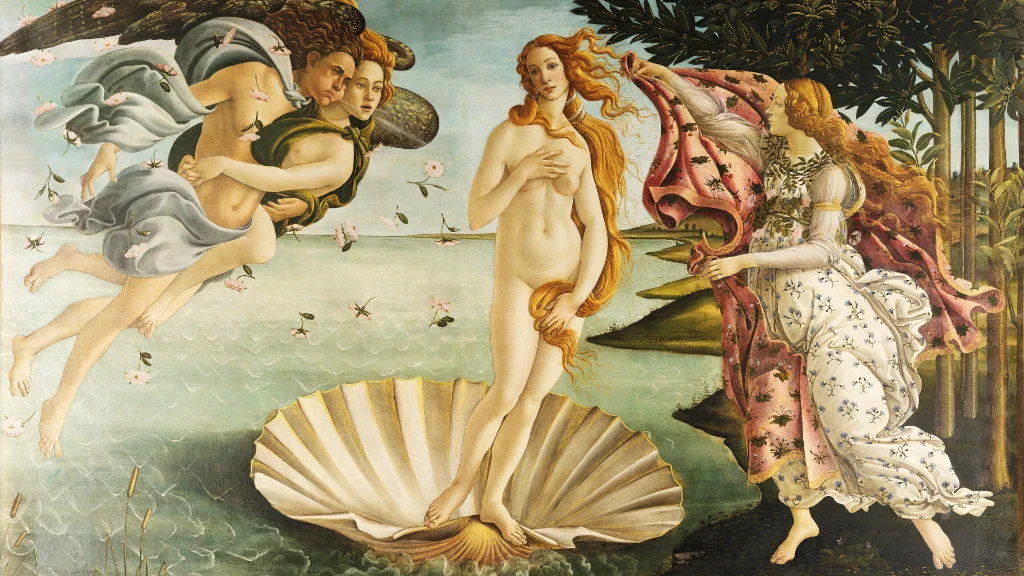
Women were promised a place in the modern world. We were told we could build careers, earn our own money, lead companies, postpone motherhood—or reject it altogether—and shape our lives on our own terms.
It is one of the most persistent, exhausting punchlines of the modern era. We were told we could finally enter the arena, smash the glass ceilings, share the financial responsibilities of the household, and claim our independence.
But nobody dismantled the old rules. Nobody turned off the old machinery.
The entrance fee to the modern world remains almost exactly what it was in the 50’s : a woman is still expected to look stunning while being successful.
Trapped in a relentless cultural upgrade cycle, we are expected to have the intellectual depth of a philosopher, the economic drive of a venture capitalist, and the poreless skin of a well-hydrated glazed donut.
We have added responsibilities without removing expectations. We are expected to be ambitious, financially independent, emotionally available, endlessly adaptable—and somehow remain effortlessly attractive on top of it all.
We must be fiercely successful corporate sharks by day, nurturing anchors by night, and somehow find forty minutes in between to roll cold quartz over our faces to stave off the natural and unforgivable crime of aging.
The question is no longer whether women can do everything. It is why, in an era of unprecedented female achievement, aesthetic perfection is still treated as a non-negotiable prerequisite.
why we are still expected to look flawless while working hard in the society?
The Survival Tax: Beauty as a Base Requirement
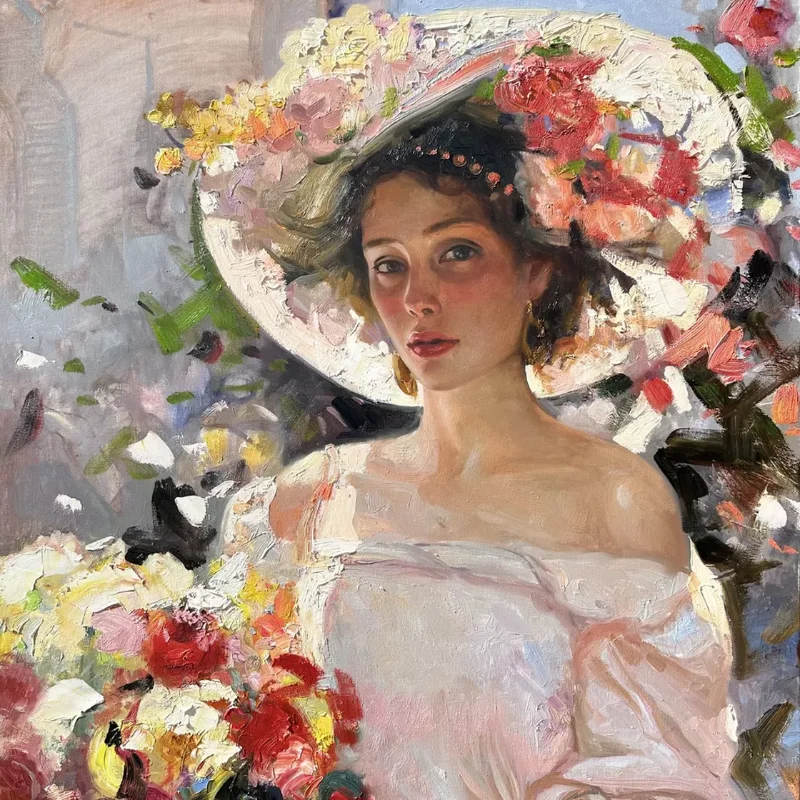
The bitter truth is that society treats female beauty not as a hobby or a personal preference, but as a form of currency. It is a baseline tax we pay just to have our presence tolerated in public spaces.
When a man prepares for a professional presentation, his preparation involves reviewing data, opening a laptop, and ensuring his shirt doesn’t look like it was retrieved from the bottom of a laundry basket.
When a woman prepares for the exact same presentation, she must calculate the precise geometric angle of her eyeliner, ensure her roots aren’t showing, and select an outfit that is professional enough to be taken seriously but feminine enough not to threaten anyone.
If she under-invests in her appearance, she faces the inevitable corporate diagnosis: she looks “tired,” “unprofessional,” or “unprepared.”
If she over-invests, she is deemed “frivolous” and “distracting.” We are forced to walk a razor-thin tightrope where the penalty for falling off is social and professional invisibility.
The Last Acceptable Form of Social Control.
Much has changed over the past decades. Few people today would openly argue that women belong only in kitchens or should never pursue careers. Instead, the rules became subtler.
Women are welcomed into every room—as long as they continue to satisfy expectations that men rarely face.
Success alone is not enough. Competence alone is not enough. Kindness, intelligence, dedication, creativity—all remain strangely incomplete unless accompanied by physical attractiveness.
Beauty has become one of the last socially acceptable conditions attached to female legitimacy. And the worst part? It is no longer presented as a forced obligation. It is marketed as “empowerment.”
The Paradox of the Anti-Aging Industrial Complex
Nowhere is this contradiction more visible than aging.
We are constantly encouraged to embrace ourselves and celebrate natural beauty.
Yet, the multi-billion-dollar beauty industry work primarily to ensure that “aging gracefully” looks exactly like not aging at all.
See these so young models posing in publicity for anti-age creams…
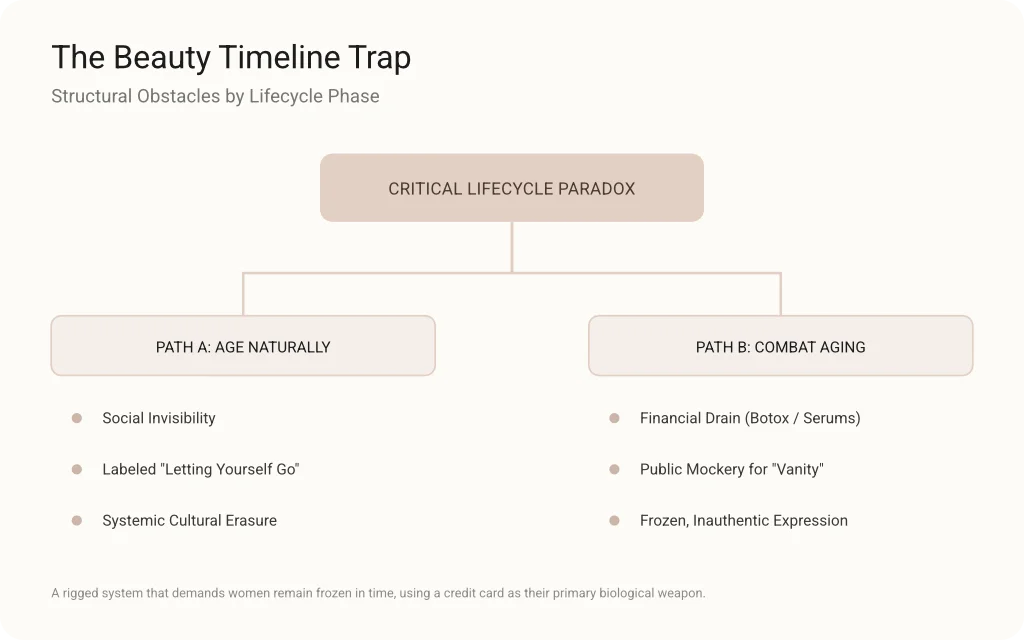
Consider the timeline traps:
The Young Woman: She must look effortless, completely oblivious to her own perfection, while navigating the pressure to be financially independent by twenty-two. She must appear naturally perfect while somehow pretending she has no idea she is beautiful.
The Mid-Life Mother: She is expected to bounce back from childbirth within weeks, managing full-time domestic labor and a career while pretending gravity doesn’t apply to her body. She must balance work, childcare, and corporate life while proving that her body has remained completely untouched by pregnancy.
The Older Woman: She enters the cruelest stage of all. If she allows her hair to turn silver and her face to wrinkle naturally, society quietly pushes her toward invisibility, treating her like an expired product. But if she buys the serums, the fillers, and the frozen surgery to maintain her visibility, she becomes a target for ridicule for being “insecure and vain.”
Either way, she loses. We are caught in a system that demands we remain frozen in time, fighting a war against our own biology with a credit card as our only weapon. The goalposts never stop moving, and the only constant is that they remain forever out of reach.
The Split Personality of Modern Womanhood
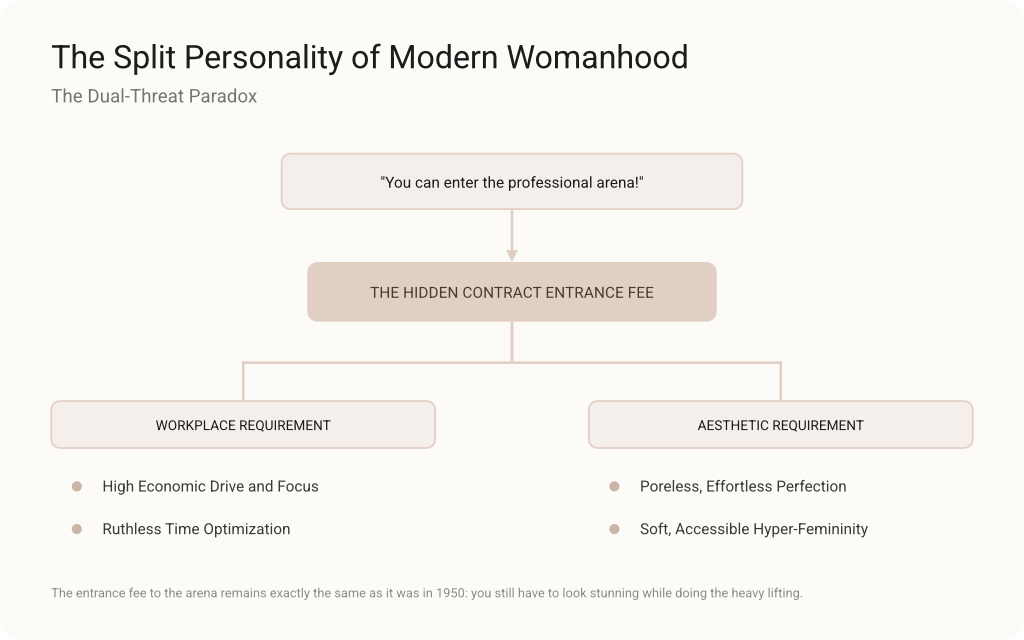
The true exhausting nature of this existence is the constant shifting of identities. We are told we have choices. We can choose to be the high-flying career woman, the dedicated partner, the loving fiancé, or the self-sacrificing mother.
But choose only one, and the lack of the other side is immediately used as a weapon against you:
Focus entirely on your success? “It’s a shame she never settled down; she must be so lonely.”
Focus entirely on your family? “It’s a pity she wasted her degree; she has no identity outside her kitchen.”
To protect ourselves from these reproaches, we try to become a human Swiss Army knife.
We must be highly attractive girlfriends to keep our partners interested, efficient corporate assets to pay our half of the mortgage, and perfectly put-together mothers so the school board doesn’t judge us.
We are running a marathon where the finish line keeps running away from us.
When Women Become Competitors – Collateral Damage: How the Beauty Tax Ruines Female Friendships
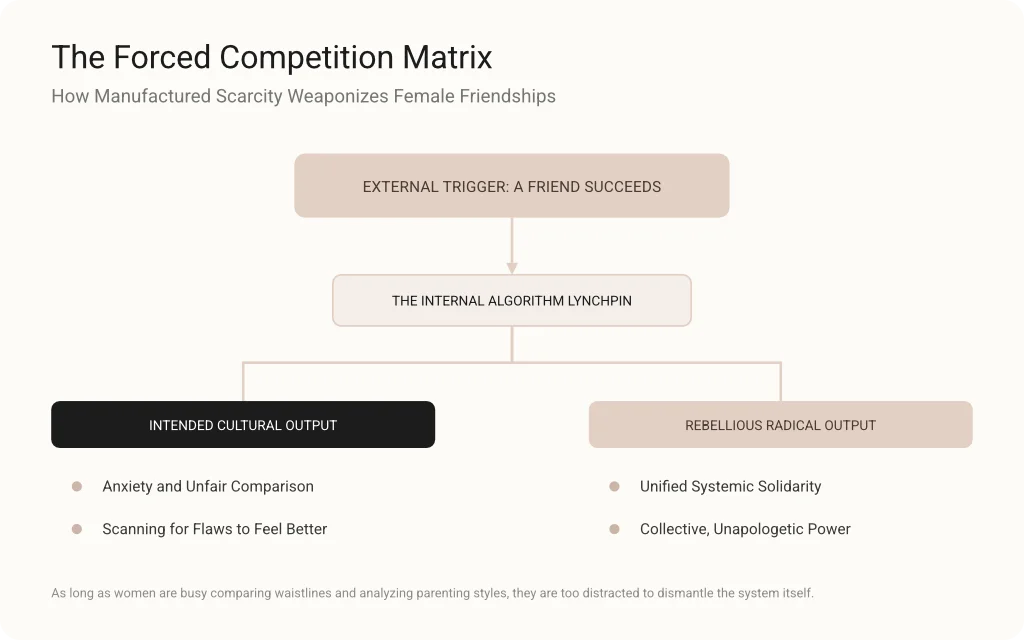
Perhaps the most tragic consequence of this relentless aesthetic pressure is how it weaponizes women against each other.
Society does not just demand that you are beautiful; it demands that you are more beautiful, more successful, and more perfectly put-together than the woman sitting next to you.
We are forced into a high-stakes, invisible tournament we never signed up for, and the ultimate casualty is our ability to trust each other.
From a young age, women are conditioned to view every other woman not as a potential ally, but as a direct threat to their social and professional security.
The cultural matrix tells us that there are only a limited number of slots available for “the attractive one,” “the successful one,” or “the perfect wife.”
If another woman secures one of those spots, our primal, socially conditioned brain panics, convincing us that our own value has just plummeted.
The circus
This manufactured scarcity turns friendship into a psychological minefield. You sit at brunch with women you genuinely love, but beneath the laughter, the cultural programming runs like a background app — scanning for flaws just to keep your own insecurities at bay.
You catalog their wrinkles to feel better about your own aging, their career wins, their seemingly perfect engagements — and instead of pure joy, you feel a sharp, bitter pang of inadequacy.
A culture obsessed with ranking female appearance teaches comparison before solidarity. Her success becomes evidence of our failure. Her engagement raises questions about our relationships. Her promotion makes us wonder if we’re falling behind. Her youth is another reminder that time is passing.
This competition rarely feels voluntary. It feels programmed — software running silently in the background.
The system thrives on this division. As long as women are busy comparing waistlines, analyzing each other’s parenting, quietly rejoicing when a friend “lets herself go,” they’re too distracted to look up and dismantle the system itself.
The real winner was never the woman with the perfect body or the flawless career. The winner is the system.
The ultimate act of rebellion is to look at another woman’s beauty or success and refuse to use it as a mirror for your own flaws. When we stop treating friendship as a competitive sport, the circus loses its power. Her light doesn’t dim ours. It just makes the room less dark.
Perhaps the greatest tragedy isn’t what this system does to individual women. It’s what it does to women together.
The Freedom to Be Ordinary
The irony of the modern beauty standard is that it’s sold to us as “self-care” and “empowerment.” Buy this cream. Follow this routine. Invest in yourself. We’re told that painting our faces for an hour or starving ourselves on green juice is a form of personal liberation.
But real empowerment doesn’t come with a financial cost and a low-grade existential panic. Real empowerment would be the right to be absolutely, spectacularly ordinary — the freedom to walk into a room with an average face, an average outfit, and an unbothered mind, knowing your intelligence, your character, and your labor are enough to justify your existence.
Real freedom looks much quieter: an ordinary face, comfortable clothes, visible wrinkles, and the complete confidence that you’ll be measured by your ideas and your kindness — not by whether your eyeliner survived the afternoon.
Perhaps that’s the revolution we haven’t achieved yet.
Until then: when the world asks you to carry the weight of the universe while looking effortlessly divine, smile slowly, adjust your most comfortable elastic waistband, and remember one simple truth.
You are a human being. Not a luxury brand.
The circus can continue without you.